

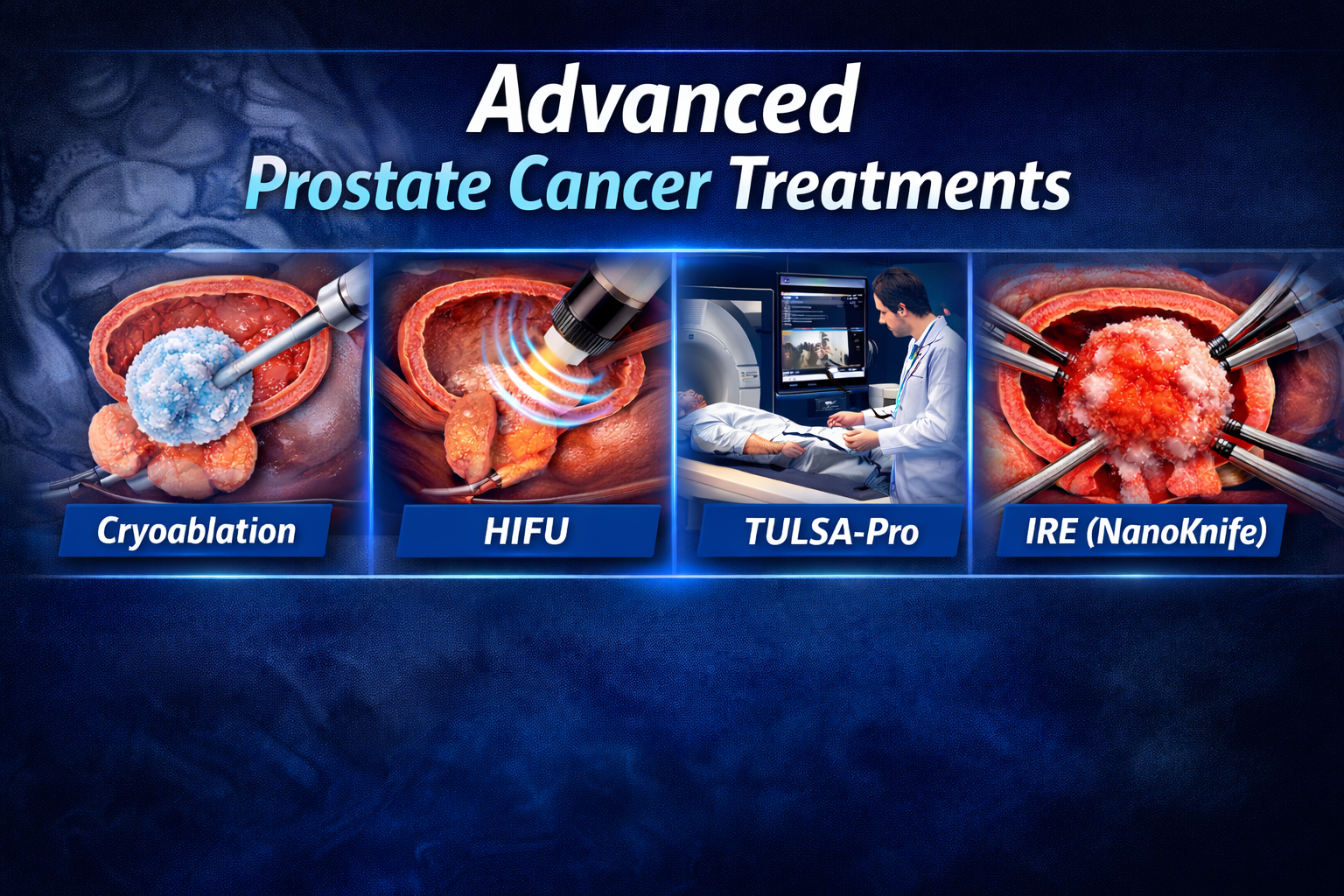
Cryoablation, HIFU, TULSA-Pro, and Irreversible Electroporation
Prostate cancer is one of the most common cancers affecting men worldwide. Traditionally, treatment options have included surgery (radical prostatectomy) or radiation therapy. While these treatments can be very effective, they may also carry risks such as urinary incontinence, erectile dysfunction, and longer recovery times.
In recent years, focal therapy has emerged as an important alternative for select patients. These treatments aim to target and destroy only the cancerous portion of the prostate while preserving surrounding tissue, reducing side effects and improving quality of life.
Several advanced technologies are now being used internationally to achieve this goal, including cryoablation, high-intensity focused ultrasound (HIFU), TULSA-Pro, and irreversible electroporation (IRE).
For patients seeking access to these advanced treatments abroad, HOPE Patient Concierge Services can assist with coordinating care, arranging consultations with leading specialists, and organizing the medical travel process.
Cryoablation (Cryotherapy)

Cryoablation, also known as cryotherapy, treats prostate cancer by freezing the cancerous tissue.
How it works
Thin probes are inserted into the prostate through the skin between the scrotum and anus (the perineum). Extremely cold gases circulate through the probes, creating an “ice ball” that destroys cancer cells while imaging guidance helps protect surrounding structures.
Key advantages
Minimally invasive procedure
Usually performed with a short hospital stay
Faster recovery compared with traditional surgery
Can be used as primary treatment or salvage therapy after radiation failure
Limitations
Not appropriate for all prostate cancers
Some risk of urinary symptoms or erectile dysfunction remains
Cryoablation is increasingly used for localized prostate cancer, especially when the disease is confined to one area of the gland.
High-Intensity Focused Ultrasound (HIFU)
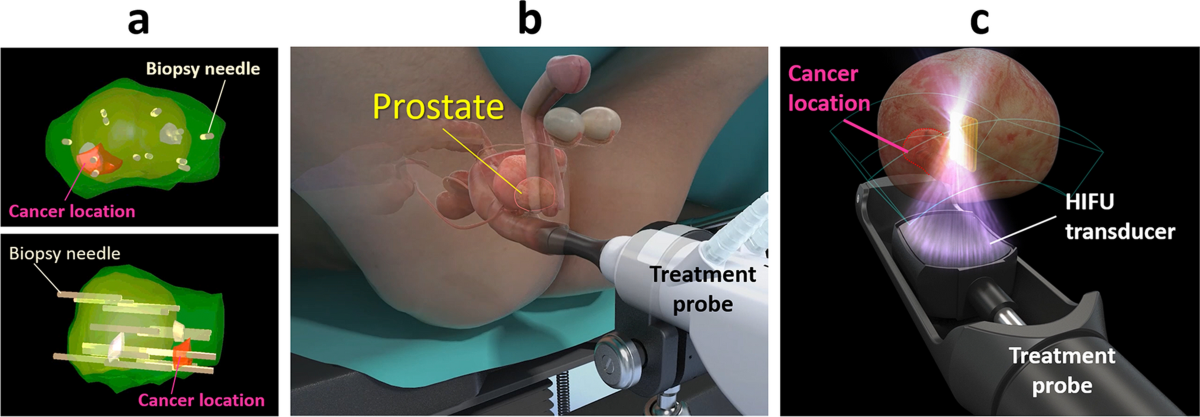
High-Intensity Focused Ultrasound (HIFU) uses concentrated ultrasound waves to generate heat and destroy prostate cancer cells.
How it works
A specialized ultrasound probe is placed in the rectum. The device focuses ultrasound energy precisely on the tumor, raising the temperature of the targeted tissue high enough to destroy cancer cells while preserving nearby structures.
Benefits
Non-invasive energy-based therapy
No surgical incision
Often performed as an outpatient procedure
Lower rates of urinary incontinence compared with radical prostatectomy
Ideal candidates
HIFU is typically used for:
Localized prostate cancer
Patients seeking focal therapy instead of whole-gland treatment
Some cases of recurrent cancer after radiation
TULSA-Pro (MRI-Guided Ultrasound Ablation)

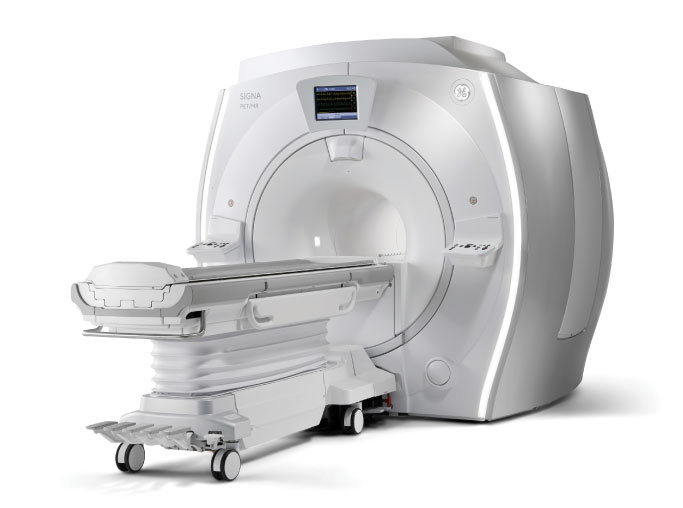
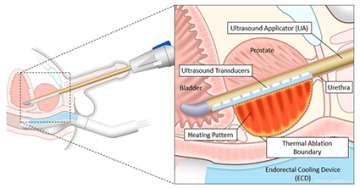
TULSA-Pro (Transurethral Ultrasound Ablation) is one of the most advanced focal therapy technologies currently available.
How it works
Unlike HIFU, which delivers ultrasound from the rectum, TULSA-Pro delivers ultrasound energy from inside the urethra while the patient is inside an MRI scanner. MRI guidance allows physicians to precisely monitor temperature and control treatment in real time.
Key advantages
MRI-guided precision
Ability to treat part or all of the prostate
Real-time temperature monitoring
Reduced damage to surrounding tissues
Clinical uses
TULSA-Pro may be used for:
Localized prostate cancer
Benign prostatic hyperplasia (BPH)
Patients seeking minimally invasive alternatives to surgery
Because the procedure is MRI-guided, physicians can map treatment very precisely, potentially preserving erectile function and urinary continence.
Irreversible Electroporation (IRE)
How it works
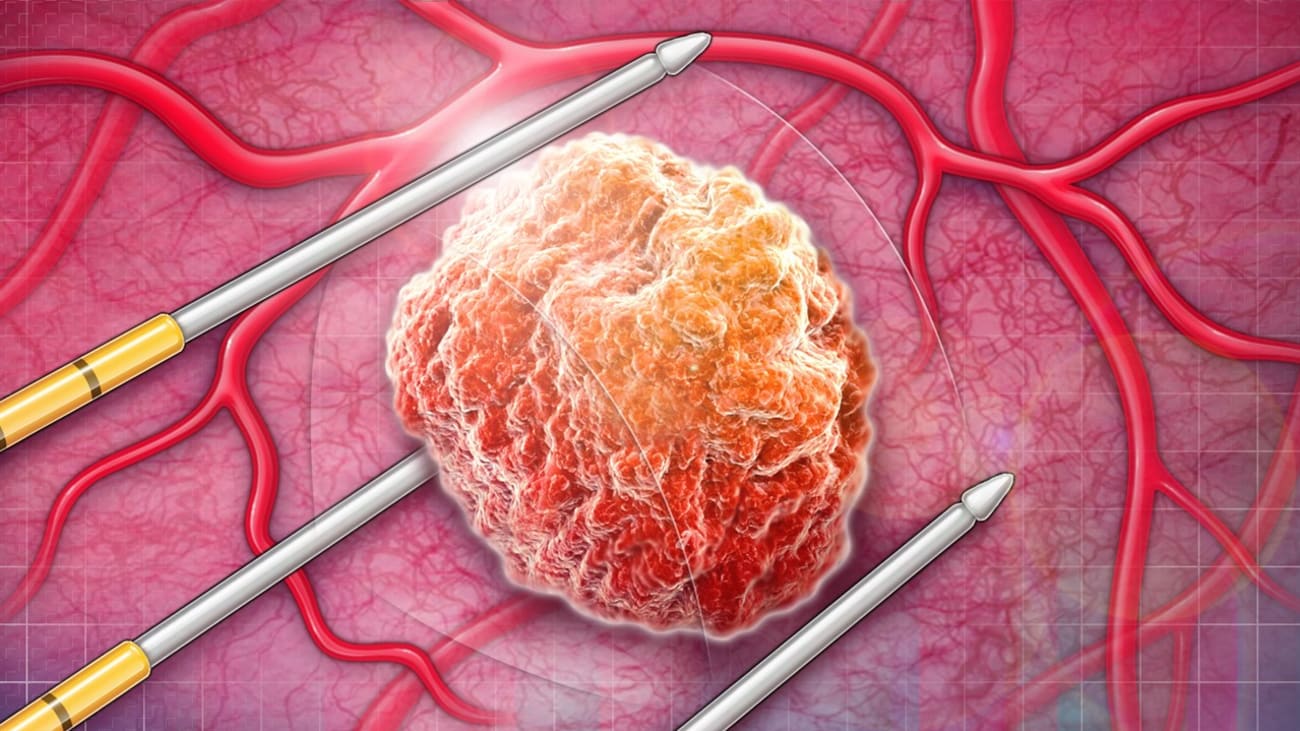
Small needles are placed around the tumor within the prostate. Short, high-voltage electrical pulses create tiny pores in the cancer cell membranes, leading to cell death while preserving surrounding connective tissue and nerves.
Benefits
Non-thermal therapy (no freezing or heating)
May better preserve nerves responsible for erectile function
Precise targeting of cancerous areas
Minimal scarring of surrounding tissue
Potential role
IRE is particularly promising for tumors located near sensitive structures, where other therapies may risk greater damage.
Expert Care at UChicago Medicine
One of the leading specialists in focal therapy for prostate cancer is Dr. Abhinav Sidana at UChicago Medicine.
Dr. Sidana specializes in advanced prostate cancer treatments and focal therapy techniques, including many of the technologies described above. His work focuses on carefully selecting patients who may benefit from targeted therapy while preserving quality of life.
At major academic centers such as UChicago Medicine, patients often undergo advanced prostate imaging, MRI-targeted biopsies, and multidisciplinary evaluation before determining whether focal therapy is appropriate.
I had the pleasure of meeting him and can say, he is warm, very knowledgeable and passionate about his work and easy to talk to.
Accessing These Treatments Through HOPE Patient Concierge
Many of these advanced treatments are not widely available in every country, and patients often travel internationally to access them.
HOPE Patient Concierge Services helps simplify this process by:
Connecting patients with leading international specialists
Coordinating medical record review
Arranging consultations and treatment plans
Organizing travel, accommodation, and medical appointments
In some cases, patients receive a complete medical itinerary within a few days, allowing them to move quickly from diagnosis to treatment planning.
The Future of Prostate Cancer Treatment
Focal therapy represents an important shift in the treatment of prostate cancer. Instead of removing or radiating the entire prostate, these technologies allow physicians to treat cancer more precisely while preserving quality of life.
While not every patient is a candidate, options such as cryoablation, HIFU, TULSA-Pro, and irreversible electroporation are expanding the range of treatment choices available to men with prostate cancer.
For patients interested in exploring these advanced therapies, working with a specialized medical center—and a concierge service that can coordinate access—may open doors to treatments that were not available locally.
